

Machine Learning That Turns Your Data Into Decisions
We build prediction models that turn your existing data into decisions you can act on today — not a research project, a working feature integrated into the product you already run.
A Practical Approach to ML
We cut through the hype to deliver models that solve real business problems and integrate cleanly.
Models Built Around Your Actual Data
We don't start with a generic model and hope it fits. We start with what your business already tracks and build from there.
Integrated Into Your Product, Not a Standalone Dashboard
Predictions and scores get built directly into the tools your team already uses — not a separate app nobody opens after week one.
Explainable, Not a Black Box
You'll know why a model made a prediction, not just what it predicted — critical for any decision your team needs to defend or trust.
Right-Sized Models, Not Unnecessary Complexity
Sometimes a well-tuned regression beats a deep neural network. We build what your data and problem actually need, not what sounds most impressive on a slide.
Built by Engineers Who Also Ship Full Stack Software
Your model doesn't sit in a notebook — it gets deployed, monitored, and maintained by the same team that builds the product around it.
Monitored After Launch, Not Abandoned
Models drift as your data changes. We monitor performance after launch and retrain when it matters, instead of shipping once and walking away.
What This Actually Looks Like
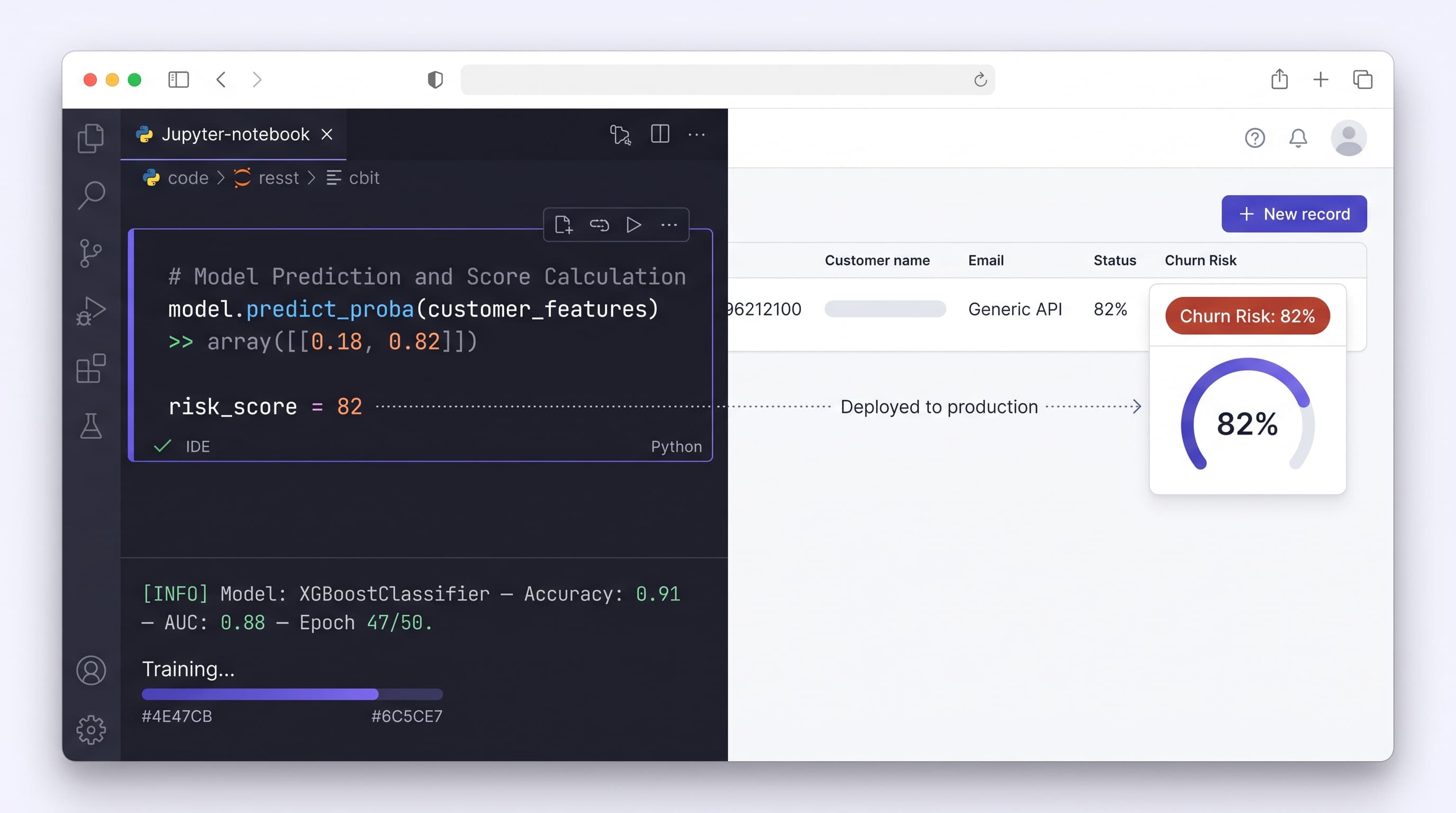
Prediction Scores
A number or risk level attached to a record — churn risk, credit risk, lead quality.
Usually lives inline, next to the record it's scoring, not on a separate page.
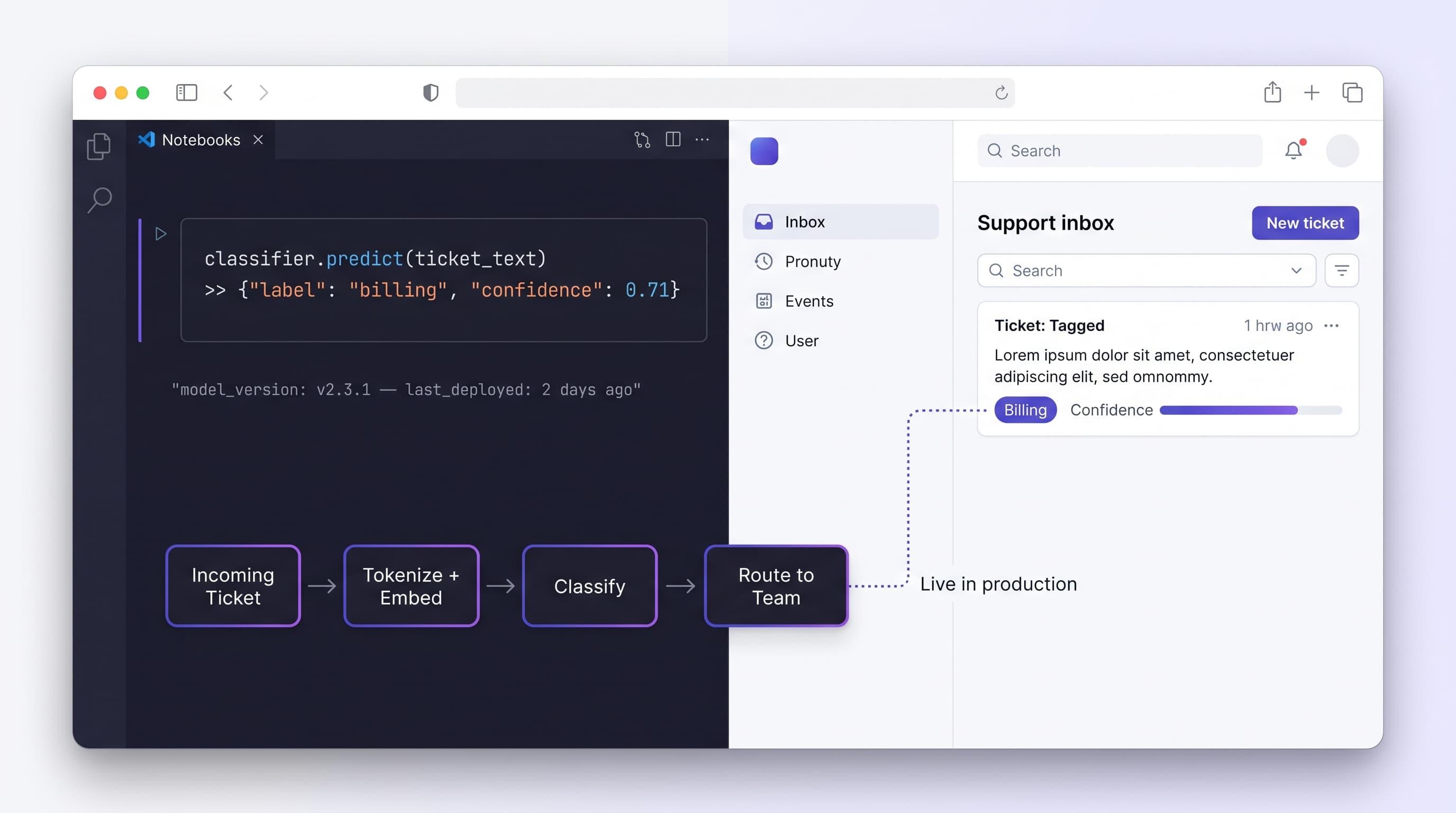
Classification & Tagging
Automatically sorting incoming data into categories — support tickets by urgency, transactions by type, documents by content.
Usually runs in the background, feeding into an existing workflow.
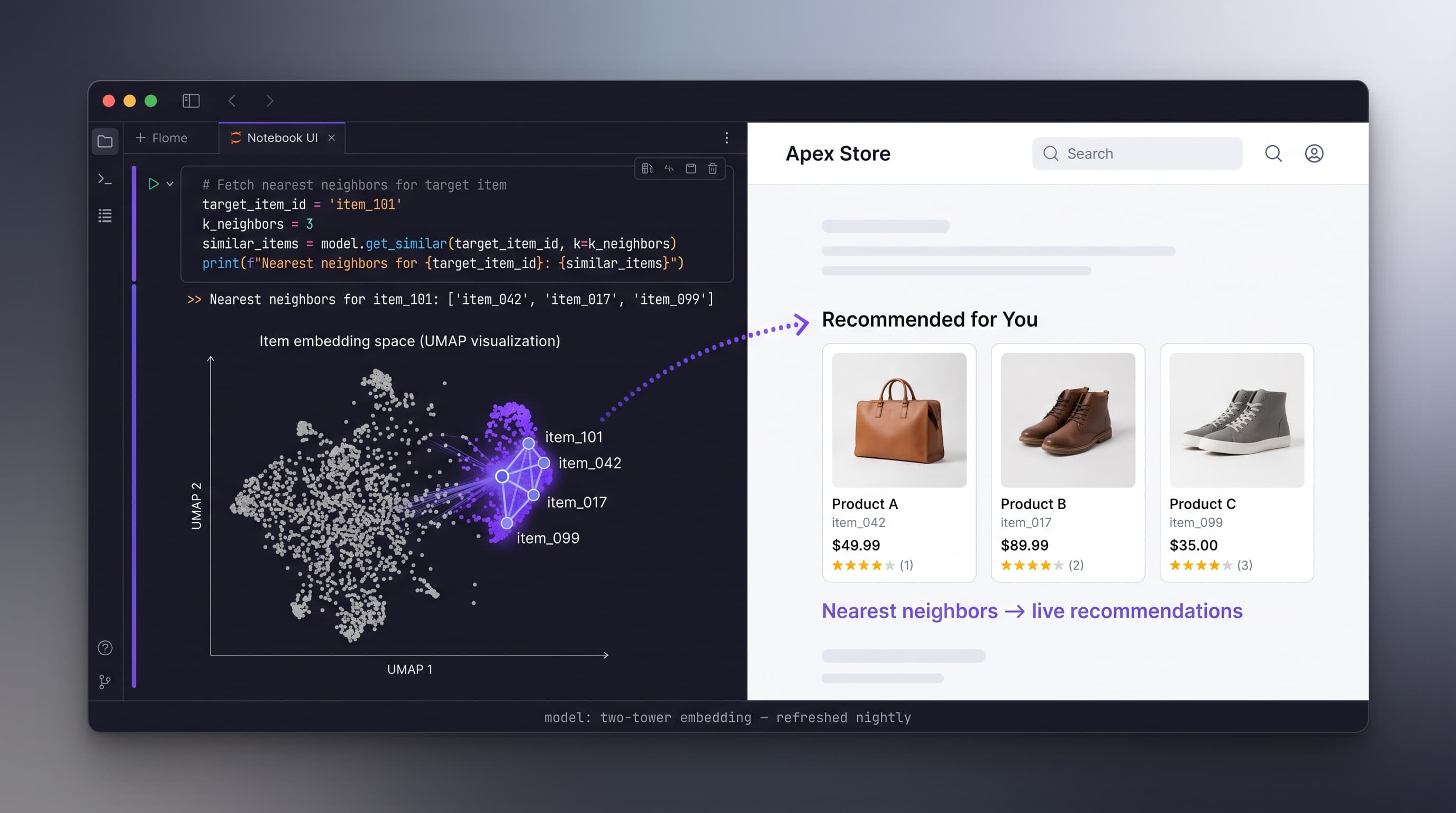
Recommendations
Suggesting the next-best item, action, or content based on patterns in past behavior.
Usually lives as a small module inside a page your users already visit.
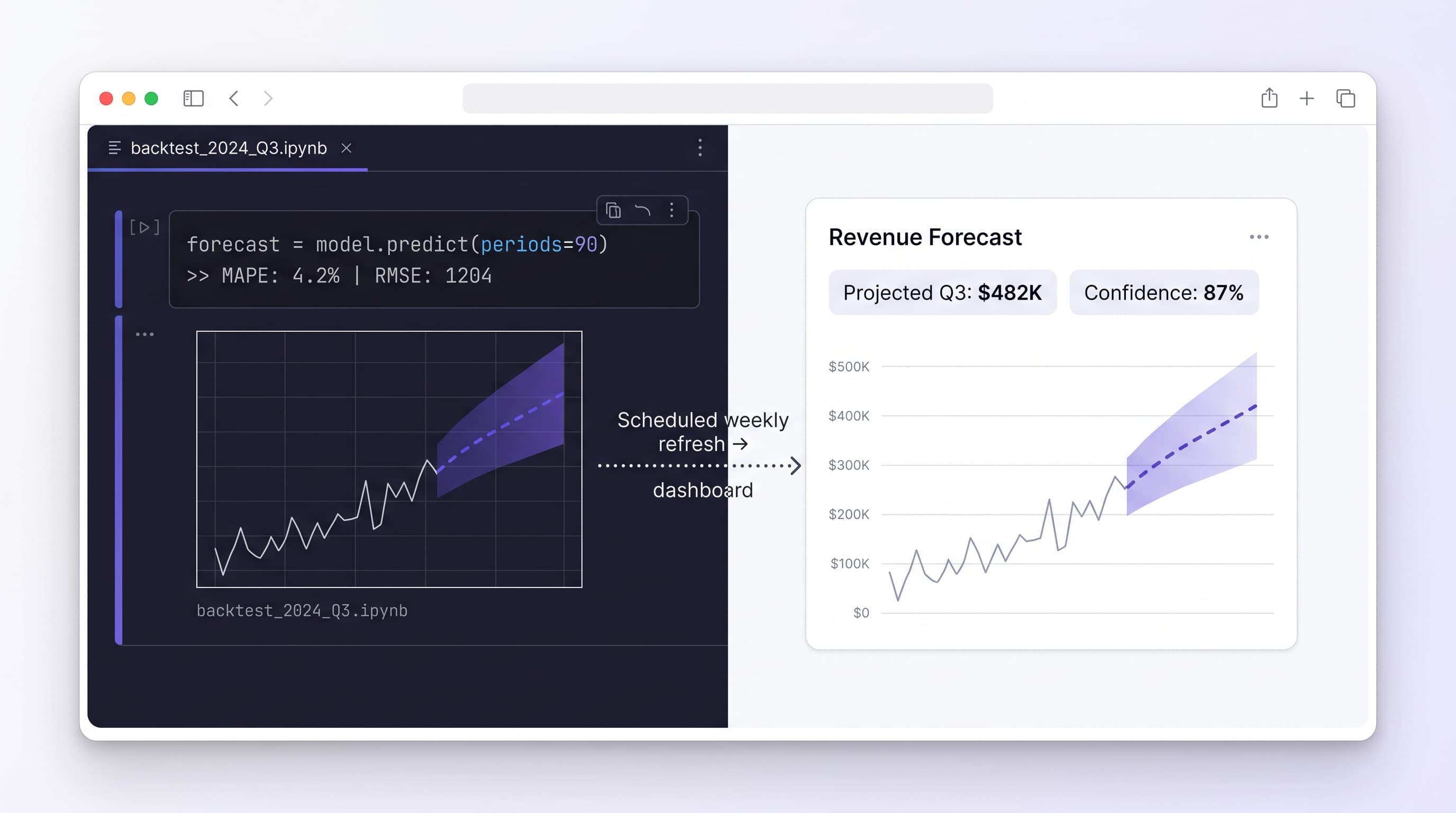
Forecasting
Projecting a future value — demand, revenue, churn volume — based on historical trends.
Usually lives on a dashboard, updated on a schedule rather than in real time.
Machine Learning Doesn't Work Alone
Machine Learning is one part of how we build AI-capable software — not the whole picture. Depending on what you're solving for, the right starting point might actually be one of our other services.
Most ML projects end up touching at least one of the other two — we handle that overlap as one team, not a handoff between separate vendors.
Machine Learning
For turning existing data into a prediction, score, or recommendation.
The frameworks and tools we use to build, train, and deploy models.
Deep Technical Expertise
We build on modern, production-proven foundations to ensure high performance, security, and scalability.
Python
Core AI Language
TensorFlow
Deep Learning Framework
PyTorch
Neural Network Library
OpenAI API
LLM & Vision Integration
LangChain
AI Agent Orchestration
scikit-learn
Predictive Analytics
Hugging Face
Open Model Hub
Pandas
Data Manipulation
FastAPI
High-Speed AI APIs
Jupyter
Model Prototyping
n8n
Workflow Automation
Make.com
Integration Engine
Zapier
App Connector
How We Build Models
From raw data to production-ready ML systems — built for accuracy, scalability, and real business results.
Data Assessment
We audit your datasets upfront to verify quality, readiness, and model feasibility.
Models We've Built
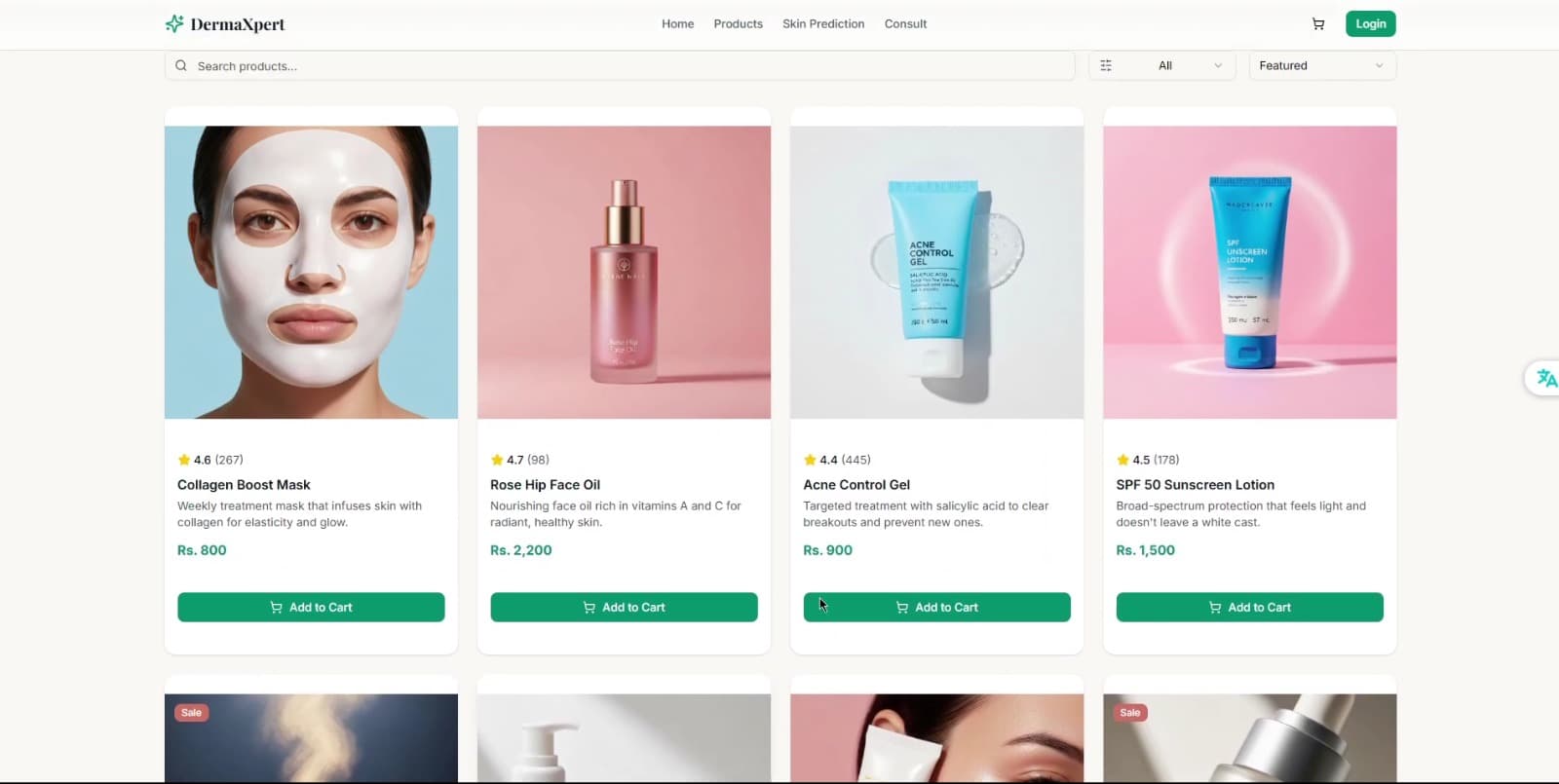
Product Recommendation System
A product recommendation system utilizing core machine learning principles to analyze user behavior and suggest relevant items.
Common Questions
You need enough historical data for a model to find reliable patterns. For simple classification, hundreds of records might suffice. For complex forecasting, you'll need thousands or more. We'll honestly assess your data volume before proposing a project—if you're not ready, we'll tell you.
Have Data Sitting Unused?
Let's Find Out What It Could Actually Predict. We'll map out your architecture and give you an honest estimate.
Or book a call directly →